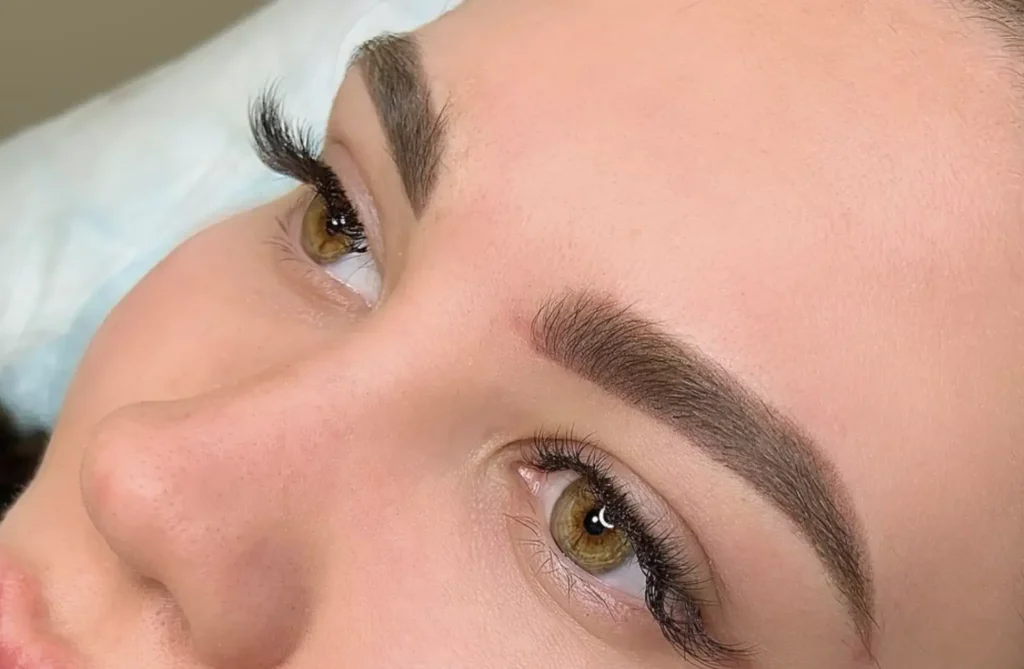
Microblading is a semi permanent makeup technique that uses pigment under the skin to create fuller looking and natural looking brows. However results are dependent on many factors and skin type is one of them. Dry, oily, combination and sensitive skin react differently to microblading. So it’s important to know these differences so you can get the best results that will give you the most beautiful and natural looking microbladed brows.

Permanent Eyebrow Treatment for All Skin Types
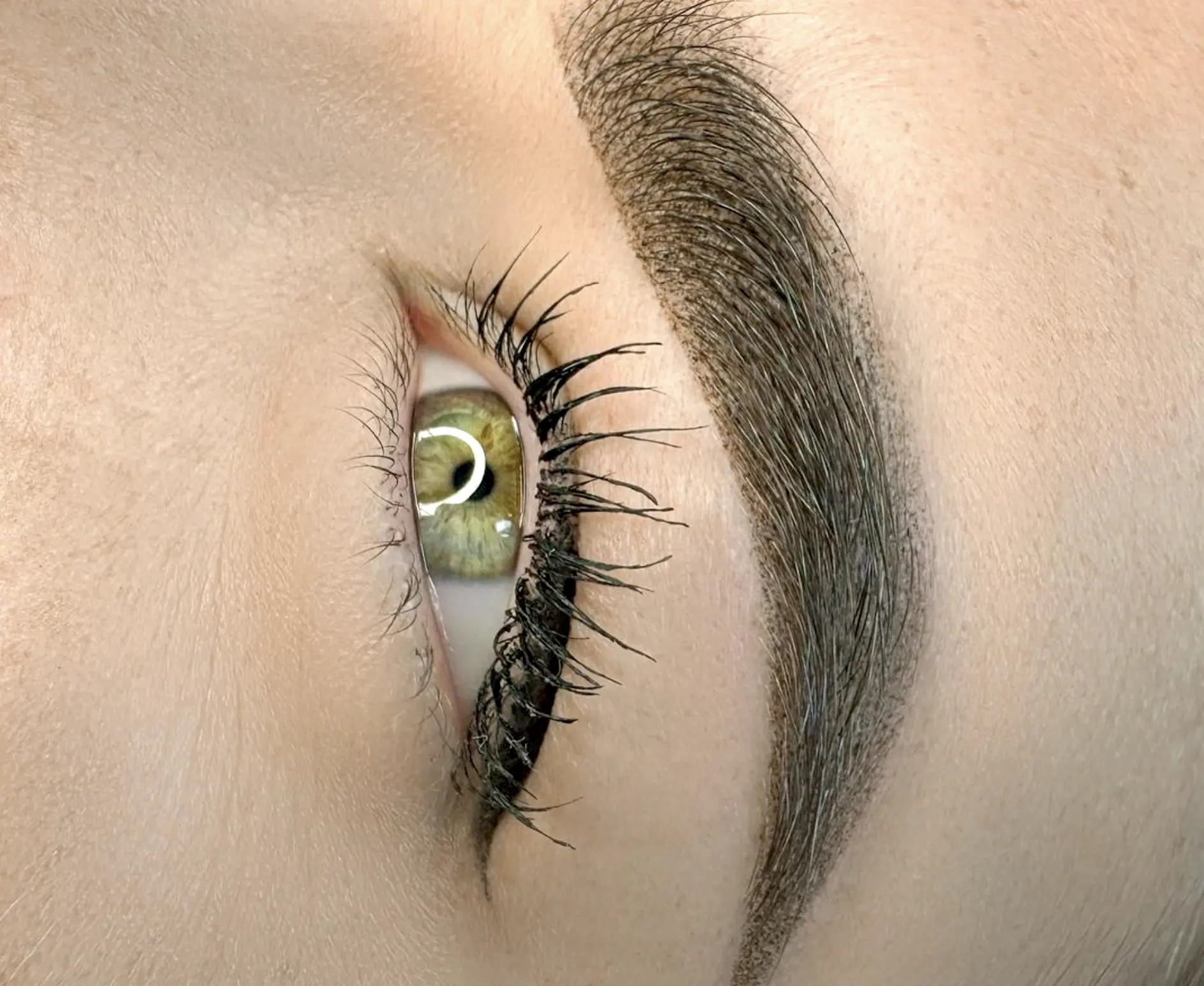
Pigments are injected into the skin during the microblading process using fine needles to mimic hair strokes. Pigment retention and overall success rate of the treatment will depend on individual’s skin type. For example excess sebum production can cause color retention issues for oily skin and dry skin may have problem applying pigment or healing from it at all. Healing process for each skin type helps an artist who knows this information to adjust the treatment accordingly.

Why Does Your Skin Type Matter When Microblading?
The amount of ink absorbed and how well it stays on your body depends on what kind of skin you have. Dry skin may have poor pigment application unless you moisturize your face well before application. Oily skin may have faded pigmentation because there’s too much oil secretion on your face. Sensitive patients need hypoallergenic colourings and precise aftercare tips to ensure normal-looking results without any allergic reactions. Since everyone’s experience is different when getting this done, it’s very important you know your individual profile for this.
Various Skin Types vs Microblading
Dry Skin
Dry-skinned people have unique issues during microblading eyebrows procedure, but their skin is scaly, rough and lacks moisture. This can cause uneven pigmentation on dry skin, which can be seen as less hair-like strokes. This can be solved by prepping the skin with hydration and using organic ink pigments that work best on this type of dermis. When it comes to dry skin, healing takes longer, so it will affect the final brow look. Regular application of moisturizing products and following aftercare guidance will give you the best results.


Combination Skin
This skin type has dry areas and oily areas with an oily T-zone (forehead, nose and chin) and dry cheeks. This can affect how the pigment is deposited or retained in the skin. To address combination skin, we need to pay attention to each area, namely the oily and dry ones. Consistent pigment choice and application should be done when microblading combination skin. Skin care products used after can vary in composition and balance both types of needs for this skin type while supporting good colour retention post-treatment.
Sensitive Skin
These individuals get irritated when they come in contact with certain substances and hence react differently from others during the healing process because they can become red due to various irritants. Sensitive skins need gentle handling when microblading so as not to cause discomfort or negative reactions. Aftercare advice must be followed strictly with the use of hypoallergic pigments to avoid any kind of irritation during the healing period, either inside or outside your body. If any changes occur during recovery time regarding sensitive residues, then it should be monitored closely until clear signs appear again in all areas where this was done; otherwise, the injury might happen, but working with a professional artist who has enough skills and experience in doing tasks related to the outer layer of your face would guarantee better results without compromising your health issues at hand while maintaining its condition.


Oily Skin
Having oily skin can cause microblading results as it produces more sebum. Too much oil can cause early fading of the pigment and result in uneven brows or greasy skin concerns. So, a matching pigment colour designed for oily skin and controlled post-treatment care to moderate sebum secretion while keeping the epidermis clean is crucial to address these issues. These clients should also expect to need more frequent touchups to keep the brows looking good. Microblading professionals may also suggest ways to deal with oily skin so that you can get long-lasting results.
Factors Affecting Treatment Success Beyond Skin Type
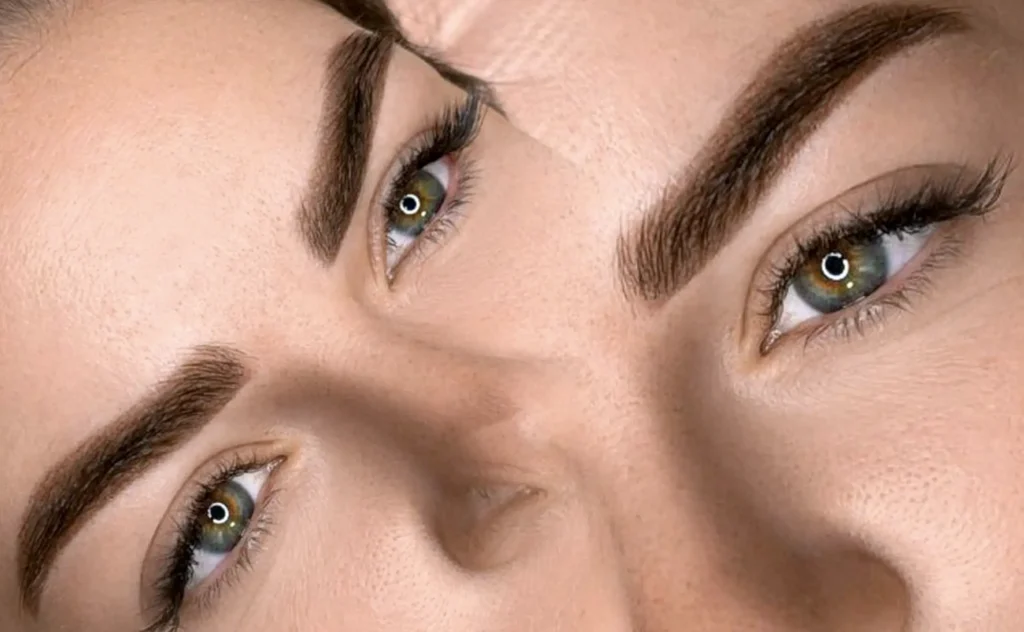
Although skin type plays a big role, other factors come in during microblading treatment. Among others, this includes consistent use of skincare products, skin condition at the time of treatment and healing after. Following healthy skincare habits and good aftercare can make a big impact on results. Plus artist’s experience and knowing how to microblade different skin types can give perfect brows.
How Each Skin Type Heals
Dry
Dry skin takes longer to heal and may need extra hydration support to heal properly; if not moisturized properly, the pigment may not settle evenly on it. Heavy creams used regularly with aftercare routines focused on hydration has some value in speeding up the healing process.
Combination
Combination skin heals unevenly where areas prone to oil retention slows down the healing. So controlling both pre-marked areas with proper aftercare will lead to similar healing process with pigment usage.
Sensitive
This kind needs extra protection from irritation during the healing period. Using natural ink pigments and gentle aftercare will help you minimize discomfort and get good results.
Oily
Oily skin clients heals harder because of oiliness. Aftercare should be followed strictly and frequent touch-ups to maintain the brows appearance. Also clogged pores and sticky skin can impede healing so managing oil levels is important.
How Do I Know My Skin Type?
To determine your skin type, you need to observe how it behaves under different situations. For example, if your skin feels tight and dry after washing it, then you probably have dry skin. If it looks shiny, especially on T-zone areas, then you have oily skin. Combination skin has both oily and dry areas. Also, consulting a professional microblading artist will help you identify your skin type and recommend the best approach.
Can I do Microblading with Oily Skin?
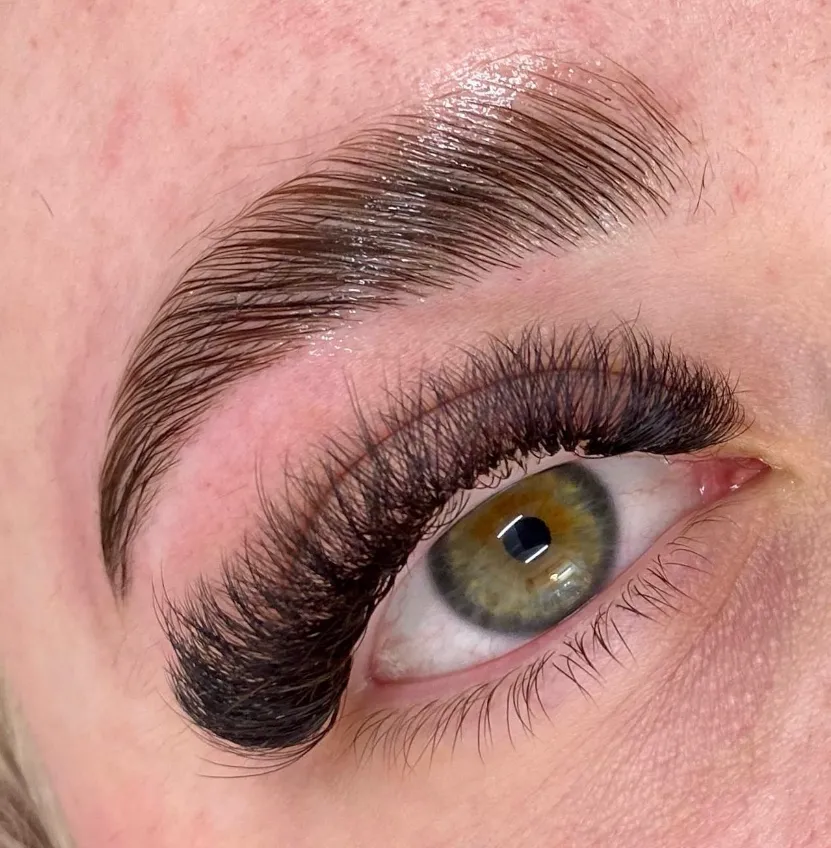
Microblading with oily skin? Yes! But this requires adjustments made to the technique used during microblading and aftercare since there are issues with oil production and color retention. So a smart artist will adjust his process to handle these and give you beautiful brows that will last.
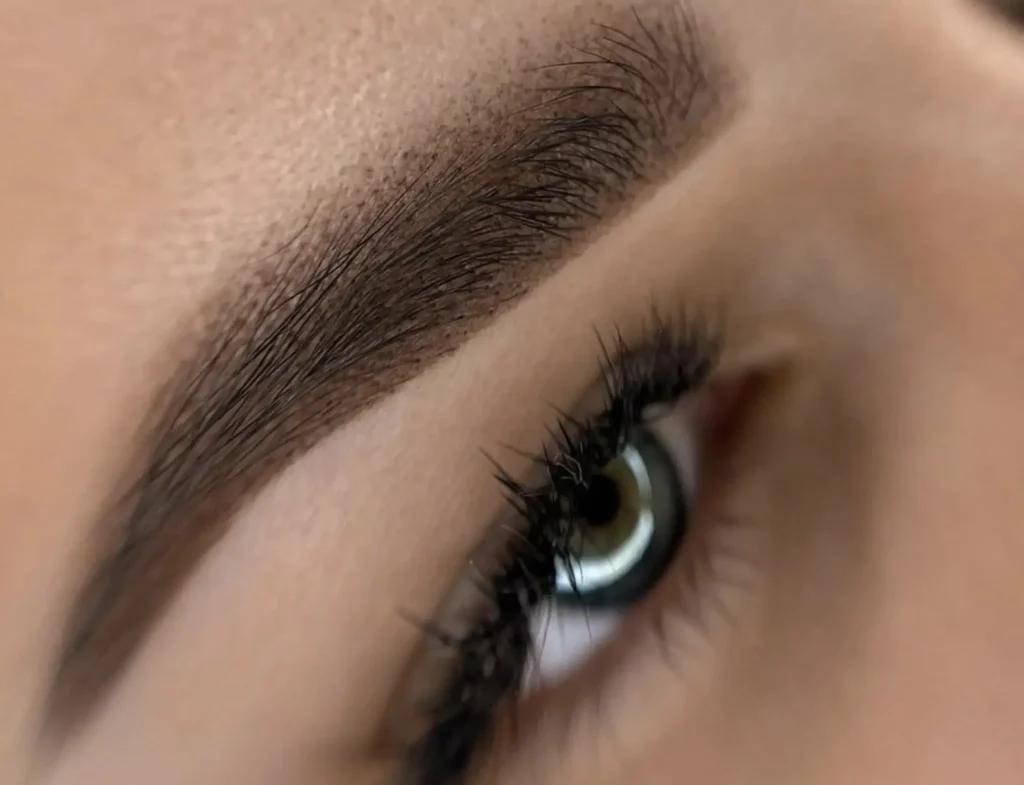
Tips for Oily Skin Clients
Microblading with oily skin? Yes! But this requires adjustments made to the technique used during microblading and aftercare since there are issues with oil production and color retention. So a smart artist will adjust his process to handle these and give you beautiful brows that will last.
Here are the tips:
- Frequent Touch-Ups: Schedule more frequent touch-ups to maintain the brows.
- Manage Oil: Use skin care products that control oil without drying your face
- Choose the Right Pigment: Choose pigments that don’t fade easily due to sebum secretion.
- Follow Aftercare. Follow aftercare instructions for healing and pigment retention.
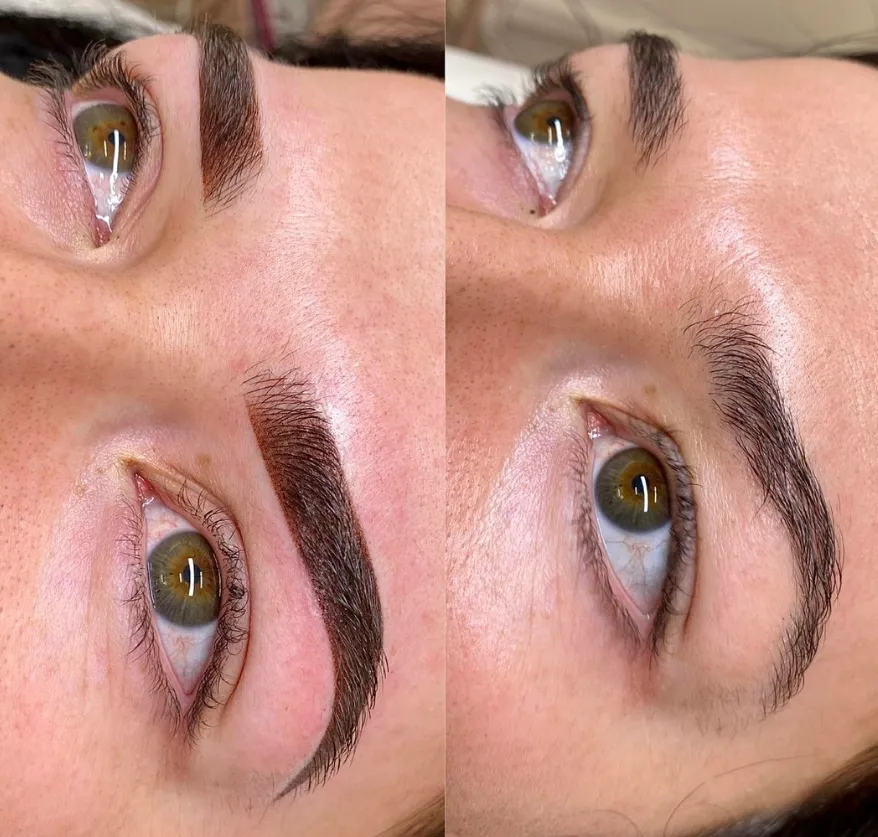
Conclusion
You need to understand how your skin type will affect the results of microblading so you get the best results. Whether you have dry, oily, combination or sensitive skin each one has its own challenges and needs. If you work with an experienced microblading artist and follow the aftercare properly you will have beautiful brows that will last longer. In this case always consult a professional who can address your skin concerns or tailor the procedure to fit your needs better.
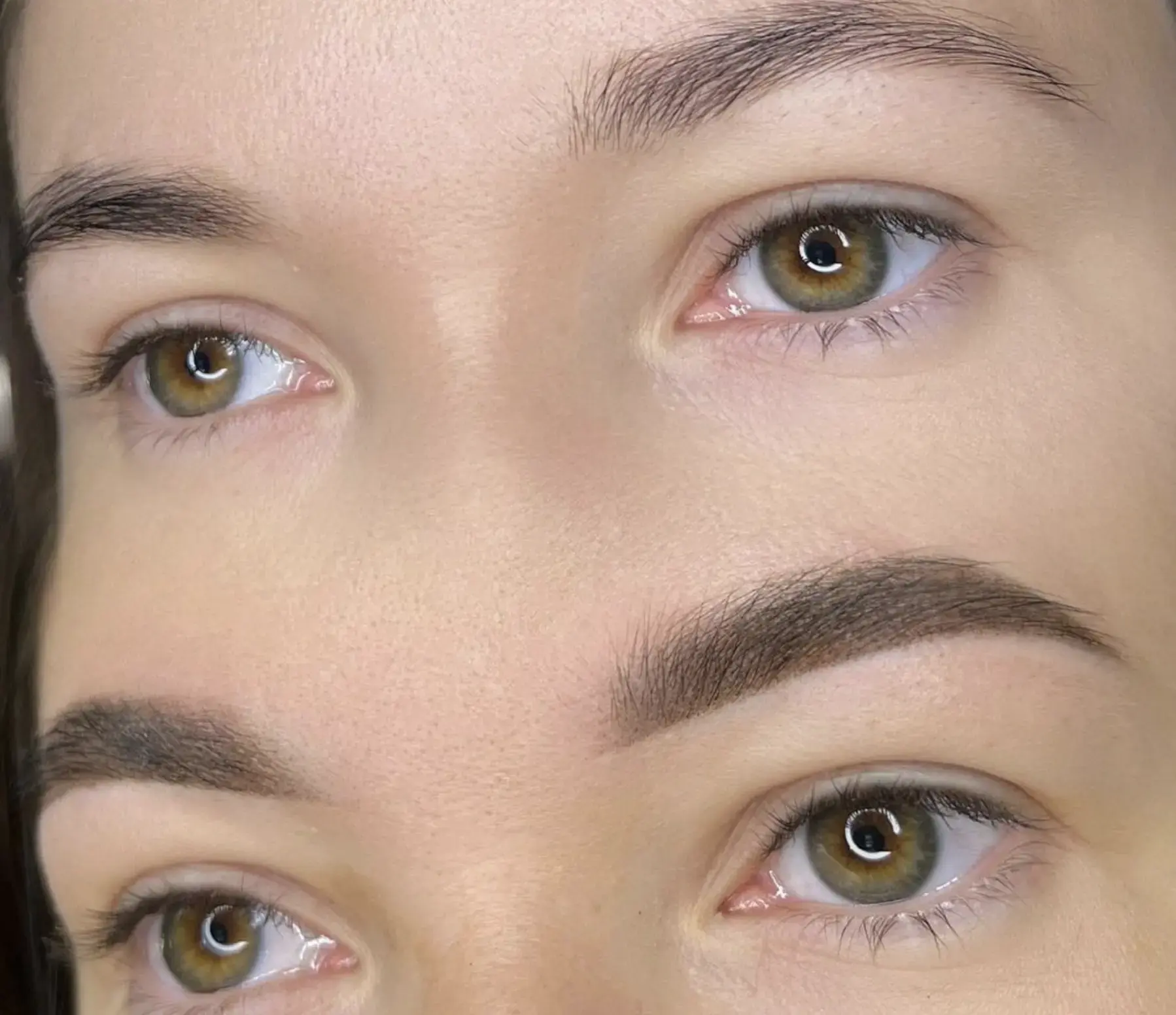
FAQ
What happens with dry skin?
Dry skin can cause uneven pigment application and slower healing, so proper hydration and following good aftercare tips will ensure great results.
Can I get microblading if I have sensitive skin?
Yes but be gentle with the pigments and behavior while hypoallergenic pigments and strict aftercare routine can help with sensitivity issues.
What do I do if my skin is oily and I want microblading?
With oily skin, we need to control oil production and follow specific after-treatment steps so these brows can look fresh all the time.
How can I know if my skin is ready for microblading?
Check how your skin reflects light at different angles over your face by turning towards a light source; remember dryness feels tight while oiliness feels shiny and mixed feelings means oily/dry areas. Ask a professional artist for advise.
What to do for mixed-texture skin?
For combination skin, you need to take care of both oily and dry areas using products for each and follow aftercare rules.